
Cognitive Dissonance: When Beliefs Clash with Actions in Psychology
Explore cognitive dissonance in psychology — when beliefs clash with actions. Discover real-life examples, causes, and strategies to resolve inner conflict for growth.
10/2/20252 min read
Cognitive Dissonance: When Beliefs Clash with Actions
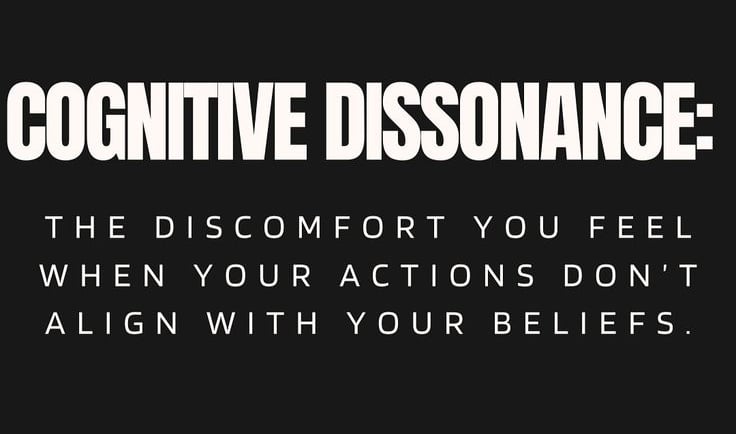
Have you ever said, “I value health,” but then reached for junk food? Or believed honesty is important, yet told a small lie? That uncomfortable feeling you experience is called cognitive dissonance — the mental tension that arises when your beliefs and actions don’t align.
This concept, introduced by Leon Festinger in 1957, explains why humans often struggle with consistency and why we justify behaviors that conflict with our values.
What is Cognitive Dissonance?
Cognitive dissonance occurs when:
Beliefs and actions contradict each other.
Two conflicting beliefs create internal discomfort.
The mind seeks to reduce this tension through justification or change.
Example: A smoker who knows smoking causes cancer experiences dissonance. To reduce it, they may say: “I’ll quit someday,” or “Lots of people smoke and live long.”
Everyday Examples of Cognitive Dissonance
Health Choices
Belief: I want to be healthy.
Action: Eating fast food.
Justification: “It’s just one meal; I’ll work out tomorrow.”
Relationships
Belief: I deserve respect.
Action: Staying in a toxic relationship.
Justification: “They’ll change; everyone has flaws.”
Consumer Behavior
Belief: I need to save money.
Action: Buying expensive gadgets.
Justification: “It’s an investment; I deserve it.”
Workplace Decisions
Belief: I value integrity.
Action: Agreeing with a boss you secretly disagree with.
Justification: “It’s not worth risking my job.”
Why Does Cognitive Dissonance Happen?
Human Need for Consistency → Our brains crave alignment between thoughts and actions.
Social Pressure → To fit in, we often compromise beliefs.
Emotional Comfort → Justifications reduce guilt, anxiety, or shame.
How We Reduce Cognitive Dissonance
Change Behavior → Aligning actions with beliefs (e.g., quitting smoking).
Change Belief → Altering values to fit actions (e.g., “Life is short; smoking is worth it”).
Justification → Adding new thoughts to make the action acceptable (e.g., “Everyone does it”).
Avoidance → Ignoring information that threatens our belief system.
Cognitive Dissonance and Personal Growth
While dissonance feels uncomfortable, it can be a catalyst for change:
Forces self-reflection on actions vs. values.
Motivates behavioral change to reduce guilt.
Encourages personal integrity by aligning beliefs and actions.
Helps us understand biases, making us more empathetic and less judgmental of others.
Practical Tips to Overcome Cognitive Dissonance
Be Honest With Yourself → Acknowledge the discomfort instead of ignoring it.
Clarify Core Values → Write down your beliefs and check if your actions align.
Take Small Steps → Gradually change actions to reflect your values.
Seek Growth, Not Perfection → Remember, occasional dissonance is human — it’s how you respond that matters.
Conclusion
Cognitive dissonance is a reminder that humans aren’t always rational. Our beliefs and actions often clash, creating inner tension. But instead of viewing it as a weakness, see it as an opportunity for self-awareness and growth.
By confronting dissonance, we can align actions with values, reduce inner conflict, and step closer to becoming our authentic selves.